
Walk into any specialty coffee shop and you'll be faced with a wall of bags, each labelled with a roast level. Light. Medium. Dark. Maybe even "City Roast" or "French Roast." It can feel overwhelming — but once you understand what roasting actually does to a coffee bean, the choice becomes a lot more intuitive.
At its core, roasting is a transformation. Green coffee beans — which smell grassy and taste nothing like the coffee you know — are subjected to high heat, triggering a cascade of chemical reactions that develop the flavours, aromas, and colours we associate with coffee. The longer and hotter the roast, the more the bean's original character gives way to roast-driven flavours.
The Three Main Roast Levels
While roasters use dozens of specific terms, most coffees fall into three broad categories. Each has a distinct personality, and none is objectively better — it all comes down to what you enjoy.
Light Roast
Bright, fruity, and complex. Retains the most origin character. Higher acidity, lighter body. Think: floral, citrus, berry.
Medium Roast
Balanced and approachable. A blend of origin and roast flavours. Medium acidity and body. Think: caramel, nuts, chocolate.
Dark Roast
Bold, smoky, and intense. Roast flavours dominate. Lower acidity, full body. Think: dark chocolate, smoke, molasses.

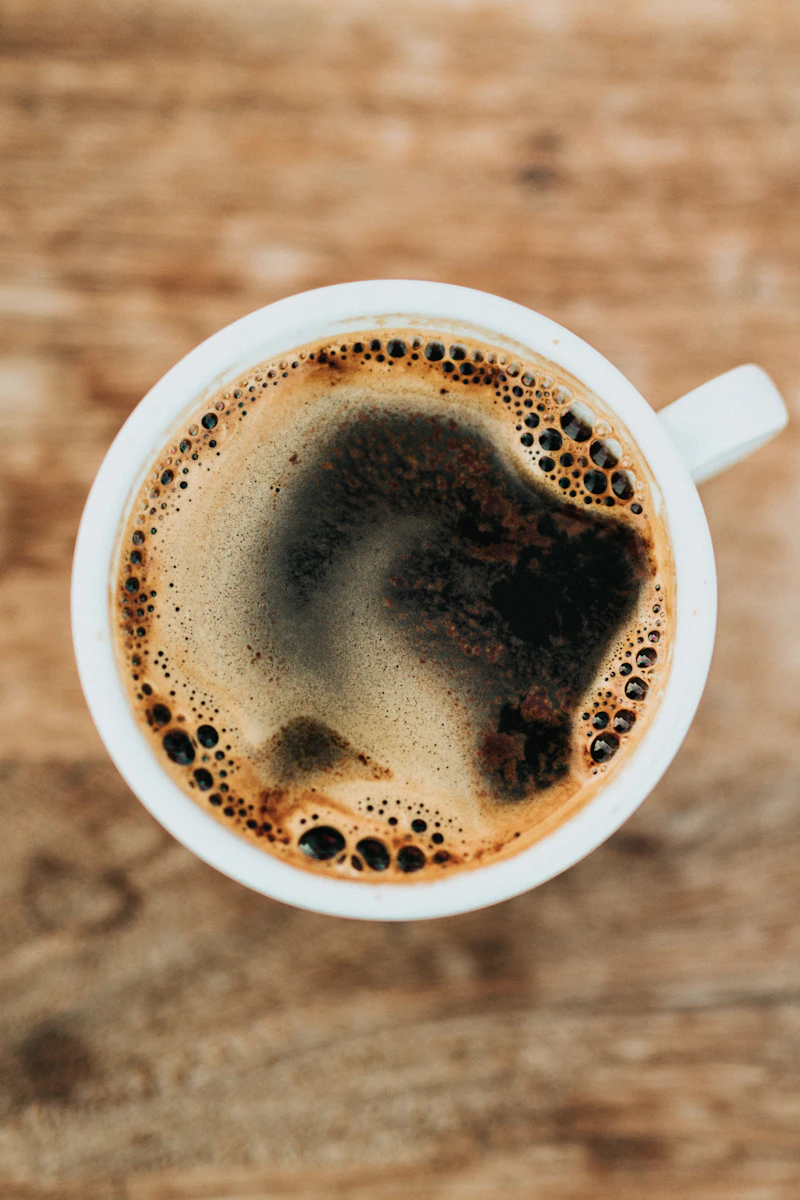
Photo by Mike Kenneally on Unsplash
What Happens During Roasting?
When green beans enter the roaster, they first lose moisture and turn yellow. Around 196°C (385°F), the first crack occurs — an audible pop as the bean expands and CO₂ is released. This is where light roasts are typically pulled.
As the temperature climbs further, the beans darken and oils begin to migrate to the surface. A second crack occurs around 224°C (435°F), signalling the start of dark roast territory. Beyond this point, the bean's structure begins to break down, producing the oily, smoky characteristics of French or Italian roasts.
The Maillard reaction — the same process that browns bread and sears steak — is responsible for the hundreds of flavour compounds that develop during roasting. Caramelisation of sugars adds sweetness, while pyrolysis at higher temperatures creates bitter, smoky notes.
Flavour, Acidity & Body: A Comparison
One of the biggest misconceptions about roast levels is that darker means stronger. In reality, light roasts often have more caffeine by weight, because the roasting process actually burns off a small amount of caffeine. The "strength" most people perceive in dark roast is really just bitterness and boldness of flavour.
☕ Roast Characteristics at a Glance
Acidity
Body
Caffeine (by weight)
Which Roast Is Right for You?
The best roast is the one you enjoy most — but here are some guidelines to help you find your match:
Choose light roast if you love exploring the unique flavours of different coffee origins. Ethiopian light roasts, for example, can taste remarkably like blueberries or jasmine. Light roasts shine in pour-over and filter brewing methods that allow their delicate flavours to come through.
Choose medium roast if you want the best of both worlds — some origin character with the comforting sweetness of caramel and chocolate. Medium roasts are incredibly versatile and work well in almost any brewing method, from drip machines to French press.
Choose dark roast if you love a bold, intense cup with low acidity. Dark roasts are ideal for espresso-based drinks, where the roast's bitterness is balanced by milk or sugar. They also hold up well in cold brew.
☕ Pro Tip: Freshness Matters More Than Roast Level
No matter which roast you prefer, freshness is the single biggest factor in cup quality. Coffee is best consumed within 2–4 weeks of its roast date. Look for bags with a printed roast date (not just a "best by" date) and buy from local roasters when possible.
Understanding Roast Names
The coffee industry hasn't standardised roast naming, which can make things confusing. Here's a rough guide to common terms you'll encounter:
Light roasts: Cinnamon Roast, New England Roast, Half City, Light City
Medium roasts: City Roast, American Roast, Breakfast Roast, Regular Roast
Medium-dark roasts: Full City Roast, Vienna Roast, After Dinner Roast
Dark roasts: French Roast, Italian Roast, Espresso Roast, Continental Roast
When in doubt, ask your barista or roaster — they'll be happy to guide you toward something you'll love.

Photo by Rodrigo Flores on Unsplash
The Rise of Specialty Light Roasts
Over the past two decades, the specialty coffee movement has championed lighter roasts as a way to showcase the terroir of coffee — the unique flavours imparted by a bean's growing region, altitude, soil, and processing method. Just as wine enthusiasts talk about the character of a particular vineyard, coffee lovers now discuss the distinct profiles of Ethiopian Yirgacheffe, Kenyan AA, or Guatemalan Huehuetenango.
This shift has been polarising. Many coffee drinkers grew up with dark roasts and find light roasts too acidic or unfamiliar. But for those willing to explore, light roasts open up a world of flavour complexity that dark roasts simply can't offer.
Ultimately, the best approach is curiosity. Try a light roast pour-over from a single-origin Ethiopian bean. Then try a dark roast espresso. Then a medium roast French press. Your palate will tell you exactly where you belong on the roast spectrum — and it might surprise you.


